
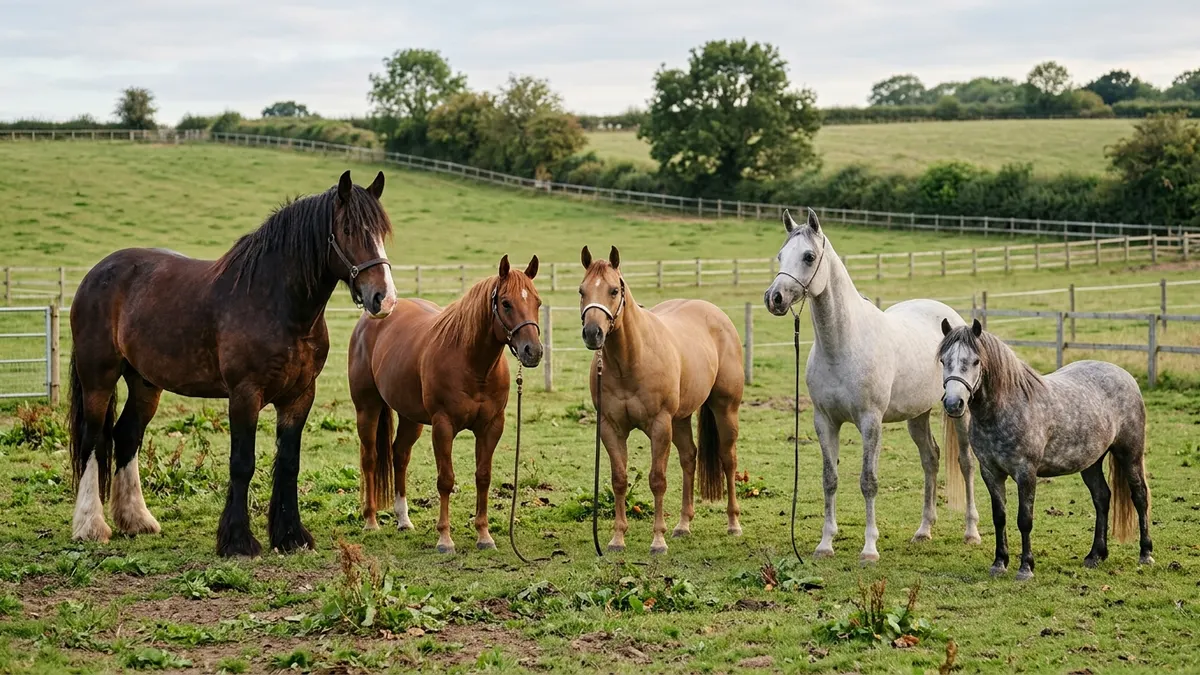
 Breed Explorer100 breeds with temperament, work, feeding and care
 Training Plans24 step-by-step groundwork and handling plans
 Horse CareHooves, teeth, grooming, senior and seasonal care
 Horse Names107 names with meaning and personality context
Horse Colic: Warning Signs, First Steps and When to Call the Vet
A practical owner guide to recognizing common colic behaviors and responding without delaying veterinary care
Read guide →Build a horse profile, plan forage and water, check feeds and toxic plants, explore 100 breed profiles, follow humane training plans and keep important care reminders in one place.

Fast planning tools with clear safety boundaries.
Check treats, feeds and potentially toxic plants.
Check an item →
Find names by style, personality and meaning.
Find a name →
Weight estimate, forage, water and body-condition planning.
Open calculators →
Review colic, choke, laminitis and other red flags without pretending to diagnose.
Review signs →Save the basics once, then turn them into practical reminders and planning estimates.


A practical owner guide to recognizing common colic behaviors and responding without delaying veterinary care
Read guide →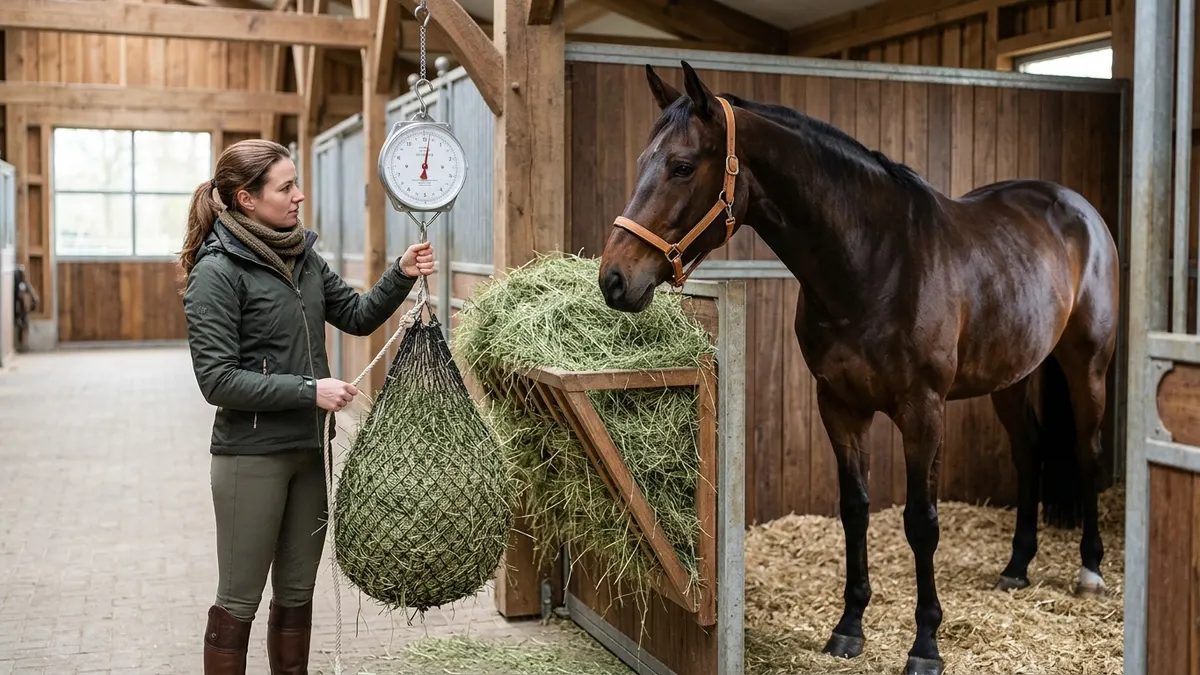
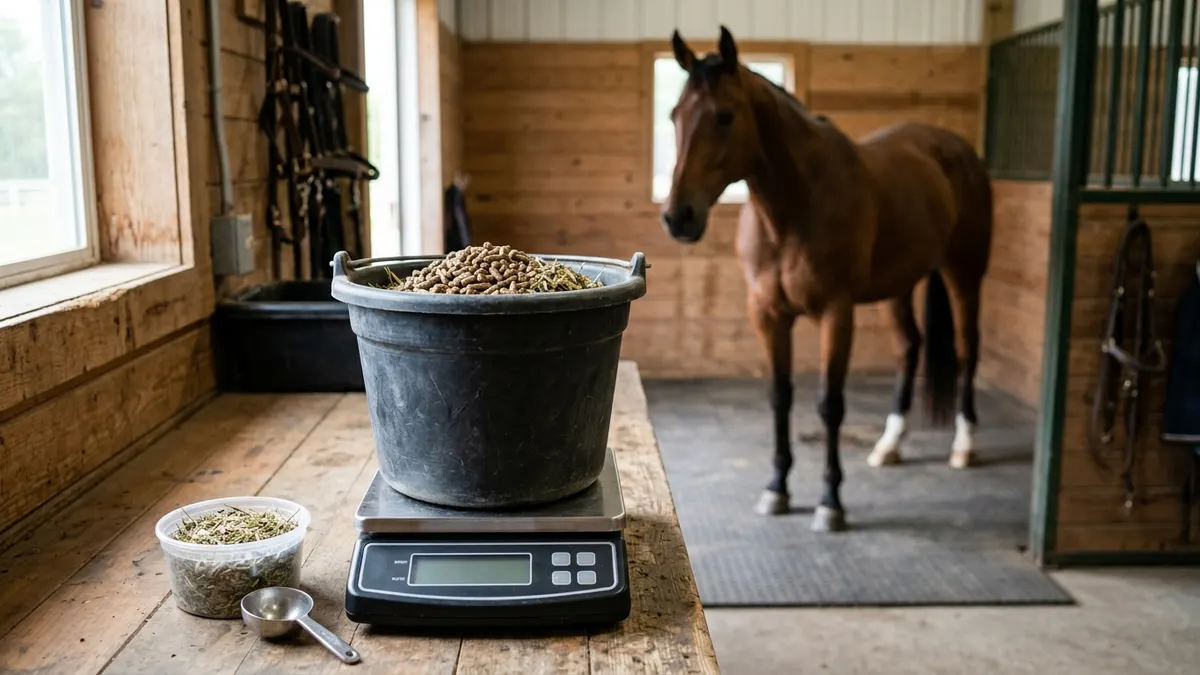
Use body weight, dry matter and body condition to build a safer forage starting point
Read guide →
Learn how to look beyond winter coats and assess fat cover at repeatable body sites
Read guide →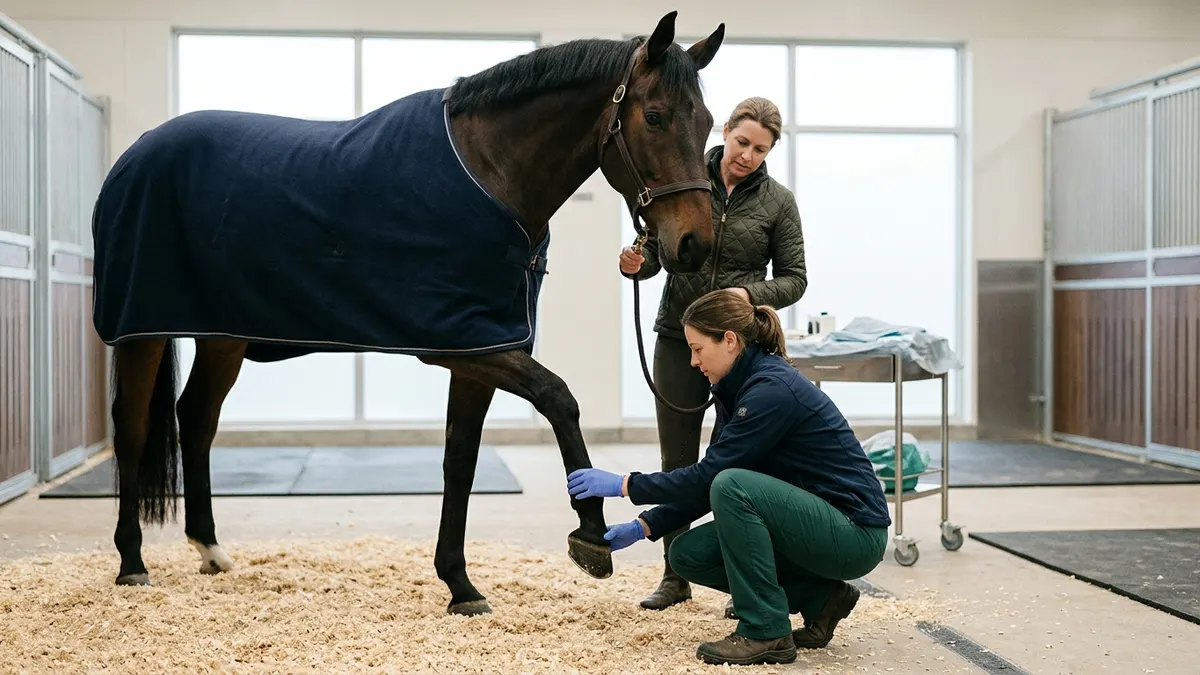
Recognize subtle foot pain and metabolic risk before the classic rocked-back stance appears
Read guide →
A calm onboarding plan for quarantine, routine, handling, feeding and relationship building
Read guide →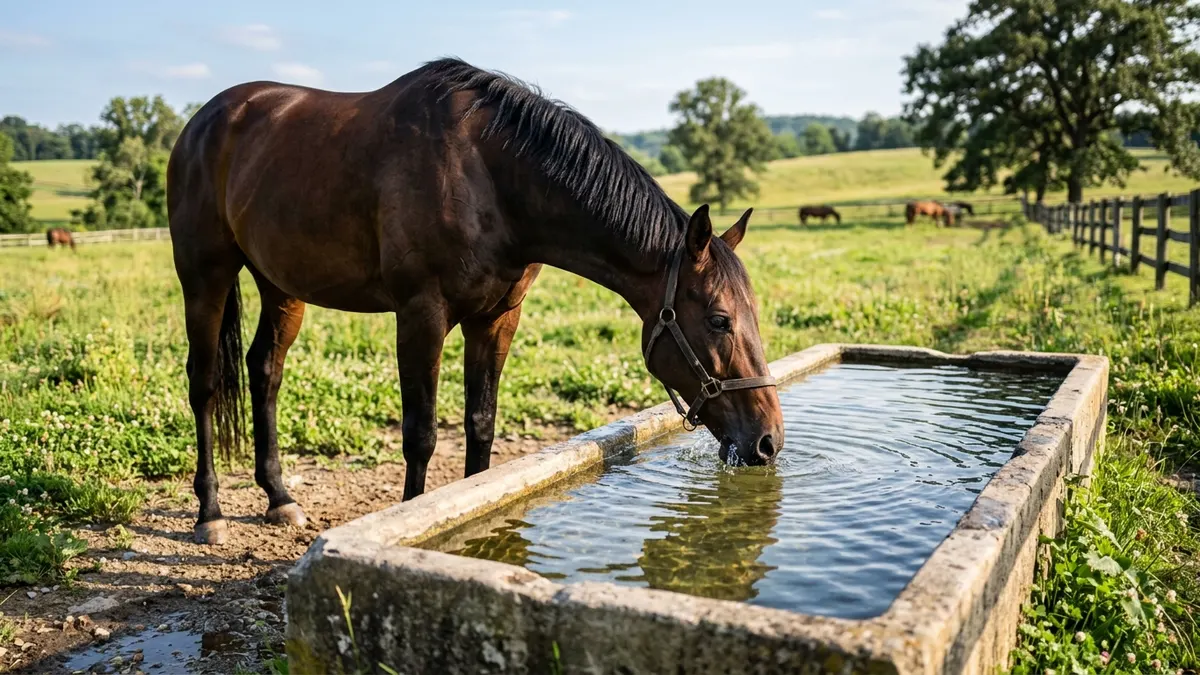
Understand daily water needs and the factors that can sharply increase them
Read guide →Start with a free profile and use the tools whenever you need them.
Create My Horse Profile →